

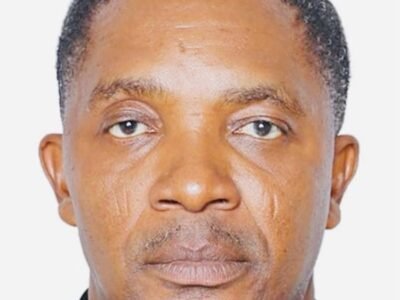
An Estate Surveyor and Valuer ESV Eddy Igbenedion has explained the various sides for compensation of
land and building compulsorily acquired in Nigeria.
ESV Igbenedion stated this yesterday in Abuja.
He explained that
when government acquire Land for public interest, indigenous communities are often mostly affected.
He disclosed that compensation becomes complex because of the cultural, spiritual and communal affinity to land which may not entirely be economic.
He outlined some issues associated compensation in Nigeria:
Land Ownership and Legal Recognition
Most indigenous settlers hold land under customary or communal systems not formal land titles which the Government may not legally recognize. It lacks documentation which makes compensation claims difficult and the Land may also be declared a “State Land” without consent.
For instance: In a country like Nigeria, disputes often arise when Land in rural areas is acquired under Land Use Act of 1978 without proper consultation with indigenous settlers.
Inadequate Unfair Valuation :
Most valuation for compensation in Nigeria is based on cost of replacement of structures affected and rates applied to crops/economic trees.
This does not take care of the cultural and spiritual value of land, loss of livelihood is usually under valued, and it may also not reflect longterm economic loss and inflation on delayed payment.
Lack of Free Prior and Informed Consent (FPIC):
Most times, the indigenous populations are not consulted before projects begin, they do not have full information of the project nor have right to accept and reject projects. Consultations may be rushed at this stage and language barriers may also prevent understanding .
The decisions are made by Government without the community agreement which violates the United Nations Declaration on Rights of Indigenous Peoples (UNDRIP) with emphasis on FPIC(Free, Prior and Informed Consent).
Gender Inequality in Compensation:
In many indigenous systems, land is held by male heads/households. Women who farm may receive nothing as compensation directly likewise widows and unmarried are especially vulnerable.
Cultural and Spiritual Loss Problem:
Land acquired for public interest may contain sacred forests, burial ground and ancestral Heritage sites. Money cannot compensate for loss of identity, tradition and spiritual connection.
The possible solutions to the issues raised here are :
Legal recognition of customary Land rights
Strict implementation of FPIC, Community based resettlement planning and
Compensation beyond money (livelihood restoration, schools, healthcare)
-Special protection for women and vulnerable members.
He concluded by saying that
compensation payment of indigenous population for public interest has alot to do with human rights and social justice which must be done fairly.
“ It must respect cultural identity, ensure fair economic valuation, protect community integrity and involve genuine consultation”.
Never miss a moment! Get the stories shaping Nigeria, delivered straight to your phone. Follow Peoplesdaily Newspaper on WhatsApp for breaking news, exclusive reports, and the headlines everyone will be talking about, before anyone else.

