
By Mariam Abeeb
WaterAid Nigeria has called on state governments to domesticate the newly approved National Policy on Menstrual Health and Hygiene Management to ensure effective implementation and improve the welfare of women and girls across the country.
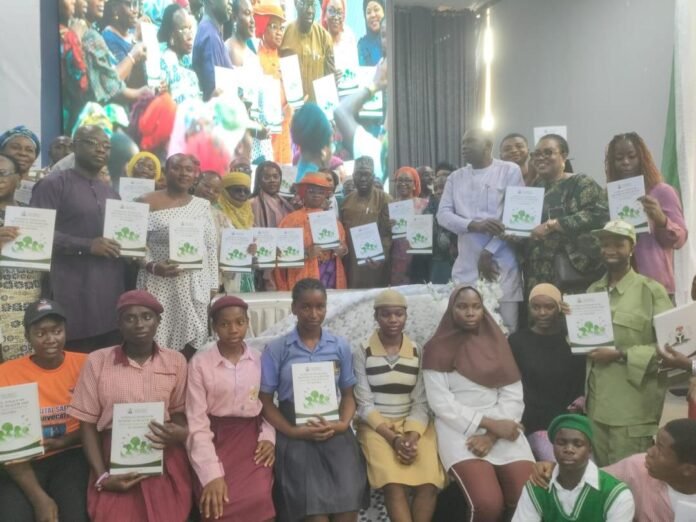
The Country Director of WaterAid Nigeria, Evelyn Mere, made the call during the official launch and presentation of the National Policy on Menstrual Health and Hygiene Management in Nigeria 2026-2030 , held in Abuja .
Mere said the successful development of the policy, which took 44 months, was achieved through sustained government leadership, strategic partnerships, institutional commitment and inclusive stakeholder consultations.
She described the policy as a significant national milestone, stressing that menstrual health and hygiene management should no longer be treated merely as a private concern or personal hygiene issue, but as a fundamental public health, gender equality, human rights, education and development priority.
According to her, the Federal Ministry of Women Affairs and Social Development played a critical role in coordinating the National Technical Working Group, comprising government ministries, departments and agencies, development partners and civil society organisations.
She said the ministry’s leadership and commitment ensured that the policy development process continued despite changes in institutional leadership.
Mere also highlighted the contributions of development partners, particularly Population Services International (PSI), for providing resources, funding and technical support towards the successful completion of the policy.
She noted that the collaboration between WaterAid, PSI and other stakeholders demonstrated the importance of collective action and partnerships in achieving national development objectives.
The WaterAid country director further identified inclusive consultations across Nigeria’s six geopolitical zones as a critical factor in ensuring that the policy reflects the country’s diverse social and cultural realities.
She said the extensive consultations helped build consensus, strengthen national ownership and create a foundation for the policy’s acceptance and eventual domestication by state governments.
While congratulating the Federal Ministry of Women Affairs and Social Development, the National Technical Working Group and development partners on the achievement, Mere warned that policy approval was only the beginning of a more demanding implementation phase.
She called for the development of a costed implementation strategy with clear targets and timelines, adequate budgetary allocations and the strengthening of institutions responsible for implementing the policy at all levels.
She also urged stakeholders to establish effective monitoring and evaluation mechanisms to track progress and ensure that the policy delivers measurable results.
The Minister of Women Affairs and Social Development, Hajiya Imaan Sulaiman-Ibrahim, in her remark at the launch of the National Policy on Menstrual Health and Hygiene Management 2026–2030, explained that it aimed to address inequalities in access to menstrual hygiene products, sanitation facilities and essential health services across the country.
The minister who was represented by the Chairman of the Governing Council of the Maryam Babangida National Centre for Women Development (MBNCWD), Princess Jummai Idonije emphasized the need to protect women’s dignity and address structural inequalities affecting their health, education and social inclusion.
According to the minister, menstrual health challenges remain a major barrier to the education, wellbeing and economic participation of millions of Nigerian women and girls.
The Policy and Advocacy Manager of WaterAid Nigeria, Dr Theodora Igboaruka, has called for effective implementation of Nigeria’s first National Policy on Menstrual Health and Hygiene Management, stressing the need to translate its provisions into tangible benefits for women and girls across the country.
She said WaterAid Nigeria would continue to work through strategic partnerships and advocacy to promote the provision of gender-friendly toilets and improved sanitation facilities.
According to her, the organisation’s commitment is to ensure sustainable access to safe water, decent toilets and sanitation services that enable women and girls to manage menstruation safely and with dignity.
Never miss a moment! Get the stories shaping Nigeria, delivered straight to your phone. Follow Peoplesdaily Newspaper on WhatsApp for breaking news, exclusive reports, and the headlines everyone will be talking about, before anyone else.