

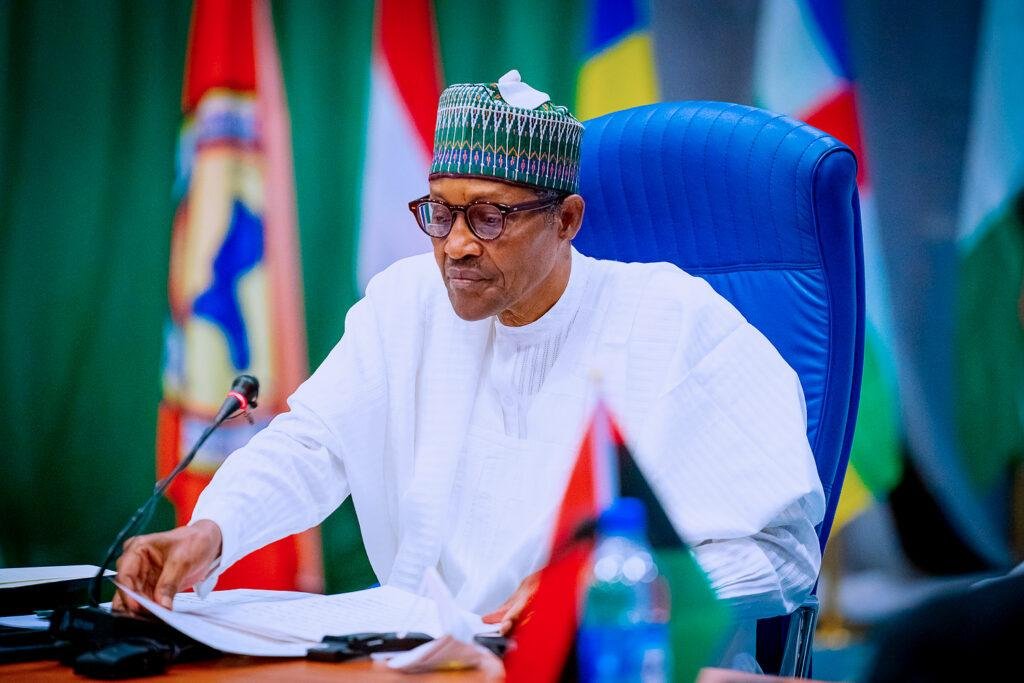
President Muhammadu Buhari, in a rare cabinet reshuffle, sacked the ministers for power and agriculture on Wednesday, citing the need to improve economic management and the delivery of public services. Saleh Mamman was replaced as power minister by Abubakar Aliyu, the minister of state for works and housing, while Mohammed Sabo Nanono was replaced as agriculture minister by Mohammad Abubakar, his counterpart at the environment ministry.
Buhari told a cabinet meeting the sackings were a result of a process of “independent and critical self-review”, according to a statement from his spokesperson, Femi Adesina. “These significant review steps have helped to identify and strengthen weak areas, close gaps, build cohesion and synergy in governance, manage the economy and improve the delivery of public goods to Nigerians,” Buhari said. “As we are all aware, change is the only factor that is constant in every human endeavour and as this administration approaches its critical phase in the second term, I have found it essential to reinvigorate this cabinet in a manner that will deepen its capacity to consolidate legacy achievements.”
Buhari rode to power in 2015 and was reelected in 2019 because he promised to reflate an economy that was practically in recession, fight corruption and make the nation more secure. On the economy, though a 5% growth in the Gross Domestic Product (GDP) was recorded in the second quarter of 2021, the contribution of the agricultural sector to the GDP dropped drastically. The result has been persistent food price inflation. The economic downturn caused by the COVID-19 pandemic was a major factor. The food price inflation rate stood at 21% in July, according to the latest official data. The World Bank recently warned that millions of Nigerians were being pushed into poverty and even food insecurity because of steep rises in the prices of staple goods.
Fixing the economy will depend largely on the stability of the power sector which has failed to take firm roots over the years despite the collosal amount of funds sunk into power projects across the country. Electricity supply, a perennial problem, remains erratic, with daily power cuts lasting hours, a fact of life even in the most developed urban areas. The Kashimbila project plant in the former power minister’s home state of Taraba had been expected to come on stream early this year but it has not. His removal, according to policy experts, is expected to be the “elixir to turn around the power sector and boost the economy.”
The President promised that this “independent and critical self review” would continue as his administration winds down toward its 2023 exit. Therefore, the nation should expect more “weak areas” to be identified in the coming days and months. This is the expectation of a majority of Nigerians who have welcome these initial cabinet changes.