
By Abdul-Azeez Suleiman
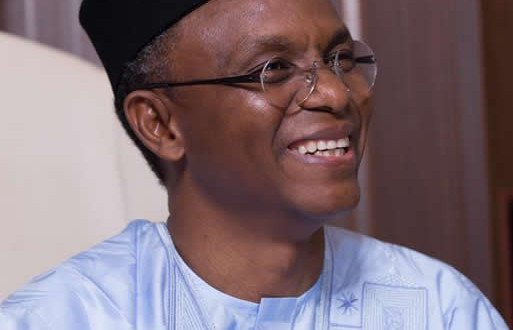
Nasir El-Rufai, the former governor of Kaduna State’s recent attempts to engage with the populace in various regions of the country, particularly in the southeastern state of Imo, have been met with vehement opposition.
The protests that erupted at Assumpta Cathedral in Owerri on a Saturday morning serve as a reminder of the deep-seated sentiments that persist in the hearts of many Nigerians, particularly in the wake of perceived injustices and divisive rhetoric. The rejection of El-Rufai in Imo State is not merely a reflection of his individual political persona; it encapsulates broader themes of regional identity, historical grievances, and the ongoing struggle for unity in a nation marked by diversity.
The backdrop of El-Rufai’s visit to Imo State was ostensibly benign, framed as an opportunity to deliver the 2025 Odenigbo Lecture—a platform intended to foster dialogue on governance and economic development. However, the atmosphere was anything but welcoming. As the former governor arrived, a crowd of protesters gathered outside the cathedral, brandishing placards emblazoned with messages of disapproval. Their chants echoed through the streets of Owerri, articulating a collective rejection of El-Rufai’s presence. This scene was not simply a spontaneous outburst of discontent; it was a manifestation of years of accumulated frustration and resentment towards a political figure perceived as emblematic of broader systemic issues.
The protesters’ grievances were articulated by a leader whose identity remained anonymous, yet whose words resonated with the crowd.
They accused El-Rufai of perpetuating anti-Igbo rhetoric in the past, a charge that underscores the historical tensions that have often characterized the relationship between the northern and southeastern regions of Nigeria. The echoes of the Nigerian Civil War, which left deep scars on the collective psyche of the Igbo people, still reverberate today. For many in the southeast, figures like El-Rufai represent a legacy of marginalization and exclusion, a reminder of the fragility of national unity in a country still grappling with its colonial past and the lingering effects of ethnic divisions.
The significance of the protests extends beyond the immediate rejection of El-Rufai. They reflect a broader sentiment among many Nigerians who feel disillusioned by a political class that often seems disconnected from the realities of everyday life. The protestors’ call to “caution Mr. Peter Obi,” a prominent political figure in the region, highlights the complex interplay of regional loyalties and political alliances. Obi, who has garnered significant support in the southeast, is seen by some as a potential bridge between the aspirations of the Igbo people and the broader Nigerian polity. However, the protesters’ discontent suggests that even those who are perceived as allies can be held accountable for their associations and
decisions.
The rejection of El-Rufai also raises questions about the nature of political discourse in Nigeria. In a country where political affiliations are often deeply intertwined with ethnic identities, the ability of leaders to transcend these divisions is crucial for fostering a sense of national cohesion. El-Rufai’s past statements and actions have, in the eyes of many, reinforced existing divides rather than bridging them. This is particularly poignant in a period where Nigeria faces numerous challenges, including economic instability, insecurity, and widespread corruption. The need for leaders who can unite rather than polarize is more pressing than ever.
Moreover, the protests at Assumpta Cathedral serve as a reminder of the power of civil society in shaping political narratives. In an age where social media amplifies voices that might otherwise be marginalized, the rapid dissemination of video footage capturing the protests underscores the importance of public sentiment in the political arena.
The viral nature of the protests not only reflects the immediacy of the anger felt by many but also highlights the potential for collective action in influencing political discourse. It is a testament to the idea that the voices of the people, when united, can challenge even the most entrenched political figures.
As El-Rufai navigates the complex landscape of Nigerian politics, his experiences in Imo State may serve as a cautionary tale for leaders seeking to engage with diverse constituencies. The rejection he faced is emblematic of a broader struggle for legitimacy, particularly in regions that have historically felt marginalized or overlooked. Moving forward, it will be imperative for political leaders to engage in meaningful dialogue, acknowledge historical grievances, and work towards fostering an inclusive narrative that resonates with all Nigerians.
The protests against Nasir El-Rufai in Owerri are not merely a rejection of one individual; they symbolize a profound yearning for recognition, respect, and inclusivity within the Nigerian political sphere. As the nation grapples with its multifaceted identity, the voices of the people must be heard and heeded.
The lessons learned from this episode extend beyond the immediate context, serving as a reminder of the need for empathy, understanding, and a commitment to building a more united Nigeria. In a country rich with diversity, the path to unity lies not in the erasure of differences but in the celebration of them, fostering a political environment where every voice is valued and every identity respected.