

By Stanley Onyekwere
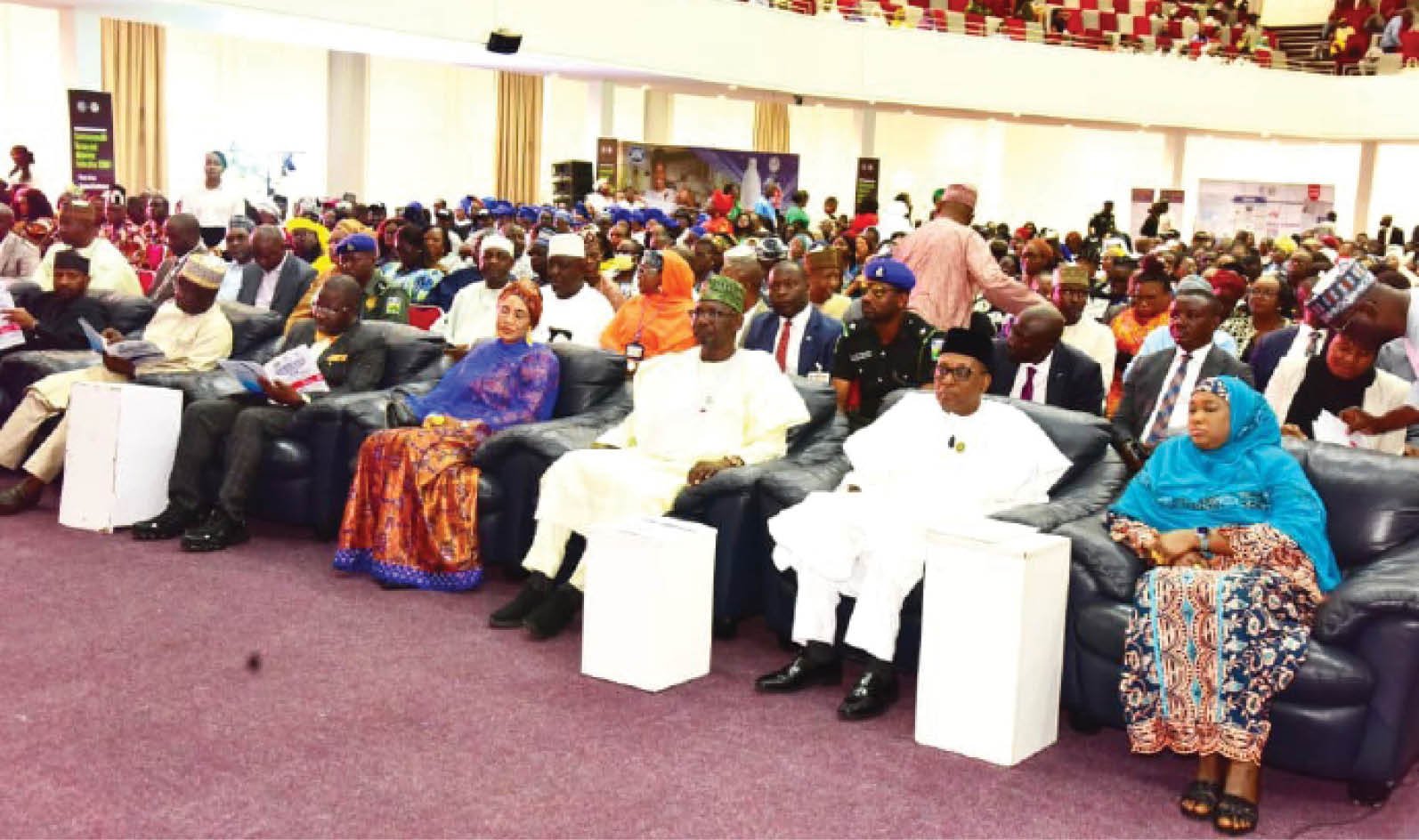
While the glitz of the Bola Tinubu International Conference Centre recently played host to global health leaders, the true weight of the Dr. Mariya Mahmoud, FCT Minister of State’s promises wasn’t just felt in the air-conditioned halls of Abuja’s city centre. It resonated in the dusty pathways of Kuje, the farming clusters of Kwali, the hills of Bwari, and the remote riverine stretches of Abaji.
For the rural inhabitants of the FCT, the announcement by Dr. Mahmoud to strengthen nursing and midwifery isn’t just a policy statement—it is a potential lifeline. In the “other” Abuja, far from the skyscrapers of the Abuja Municipal Area Council (AMAC), a nurse isn’t just a healthcare worker; they are often the only bridge between life and death.
The frontline reality
In the FCT’s six Area Councils, the “frontline” isn’t a metaphor. It is a Primary Healthcare Centre (PHC) in Gwagwalada’s outskirts or a remote settlement in Abaji where a lone midwife might be the only skilled birth attendant for five surrounding villages.
Dr. Mahmoud’s recognition of nurses as the “most consistent providers of care” hits home here. In these communities, the nurse is the doctor, the pharmacist, and the counselor rolled into one. By reaffirming a commitment to capacity building and modern infrastructure, the FCTA is addressing the three biggest hurdles facing rural dwellers across the territory:
Maternal mortality: With strengthened midwifery, women in the far reaches of Karshi (AMAC) or the interior of Kuje won’t have to risk dangerous, hours-long journeys to the city center while in labor.
Disease surveillance: Nurses are the first to spot outbreaks of malaria, cholera, or emerging disease patterns in the trading hubs of Bwari or the agrarian camps of Kwali.
Consistency of care: Improved working conditions mean fewer “ghost clinics”—those abandoned posts in the farthest corners of Abaji and Gwagwalada where staff have previously fled due to a lack of support.
From global dialogue to village impact
The Minister noted that empowering these professionals is essential to achieving Universal Health Coverage. For a rural farmer in Shere (Bwari) or a trader in Kwali, this translates to:
Better equipped PHCs: The promise of “modern healthcare infrastructure” means rural clinics in Kuje might finally see the diagnostic tools and steady supplies they’ve long lacked.
Reduced brain drain: By focusing on “worker welfare,” as echoed by NANNM President Comrade Haruna Mamman, the FCT can ensure that trained nurses stay in Gwagwalada and Abaji where they are needed most, rather than seeking greener pastures in the urban core of AMAC or abroad.
The bridge to the future
The Biennial Conference of the Commonwealth Nurses and Midwives Federation may be a high-level diplomatic event, but its success will be measured by the quality of care in the FCT’s most neglected corners.
When Dr. Mahmoud speaks of “equitable healthcare,” she is speaking to the mother in a Kwali settlement who deserves the same survival odds as the mother in Asokoro. If the FCTA follows through on these commitments, the “backbone” of the healthcare system—our nurses—will finally have the strength to carry the weight of all six Area Councils, from the heart of the city to its furthest rural edge.
The takeaway for the FCT resident?
The government has acknowledged that health starts with the person in the white uniform at the local clinic. Now, from Bwari to Abaji, the eyes of the grassroots will be on the FCTA to see these words turn into wards, and promises turn into professionals.
Never miss a moment! Get the stories shaping Nigeria, delivered straight to your phone. Follow Peoplesdaily Newspaper on WhatsApp for breaking news, exclusive reports, and the headlines everyone will be talking about, before anyone else.
