

From: Femi Oyelola in Kaduna
The warning has been issued, and the rains continue unabated. For millions of Nigerians living along riverbanks, in low-lying areas, and beside blocked drains, the message from Abuja is clear: prepare now because severe flooding is expected between July 19 and August 1, 2026.
The Federal Government, through the National Flood Early Warning Systems Center of the Federal Ministry of Environment, has alerted 28 states and the Federal Capital Territory to stay on high alert. Saturated soils, rising rivers, and overwhelmed drainage systems are driving the forecast.
But beyond the bulletin, citizens and experts are asking the same question: what exactly should we do to stay safe, and who will help when the water rises?
The urgency was highlighted in Kaduna last weekend. Two young men, Musa Musa Bawa, 27, a nursing student, and Abubakar Ibrahim Muhammad Likoro, 25, a flour mill worker, were reportedly swept away while trying to cross the Kaduna River after heavy rain on Saturday, July 18.
In Hayin Mallam Bello Community, Kaduna South, families watched over the riverbank for two days as agencies like NEMA, KADSEMA, the Kaduna State Fire Service, local divers, and volunteers continued searching.
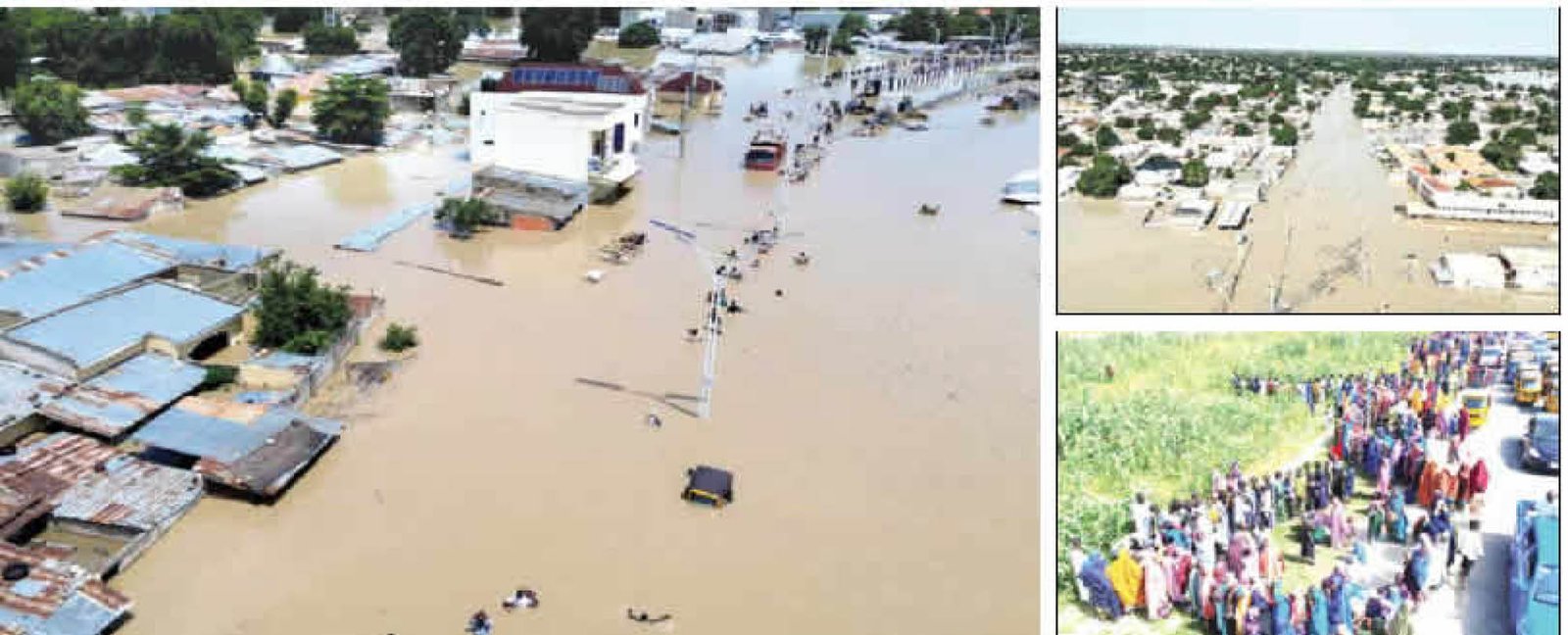
Kaduna is not alone on this. Across the country, recent floods have already taken lives and destroyed property, turning forecasts into a harsh reality.
In Niger State, at least 10 people died in Mokwa and nearby communities in late June after heavy rains caused buildings to collapse and washed away bridges. Survivors reported that entire households were trapped inside their homes.
In Benue State, flash floods in parts of Makurdi and Guma in early July, and displaced over 3,000 residents. Two children drowned while trying to cross a swollen stream to get to school.
In Lagos, a 14-year-old boy was electrocuted in Ikorodu during heavy rain last week when floodwater submerged a faulty transformer. The Lagos State Emergency Management Agency confirmed three other flood-related injuries in Agege and Surulere during the same period.
In Bayelsa, riverine communities in Sagbama and Ekeremor reported one death and dozens of displaced families after coastal flooding breached dykes in mid-July. Local fishermen said their boats and nets were destroyed.
In Anambra, the State Emergency Management Agency reported one death, and that farmlands were submerged in Anambra West and Ayamelum following overflow from the River Niger.
These incidents highlight what experts have warned about for years: in Nigeria, flooding is no longer just a seasonal nuisance. It is a recurring disaster that displaces people, destroys livelihoods, and costs lives.
From the 2012 floods that affected over 7 million people to the 2022 disaster that killed more than 600 and displaced 1.4 million, the pattern is clear. Urban growth, poor drainage, blocked waterways, and climate-driven rainfall have increased community vulnerability.
Now, the government says the risk covers the entire country, but it is more severe in the South.
Twenty-three states are at “critical flood risk” — including Lagos, Rivers, Delta, Bayelsa, Anambra, Kogi, Benue, Taraba, and others. An additional 531 communities in Bauchi, Borno, Gombe, Jigawa, Kaduna, Kano, Katsina, Sokoto, Yobe, and Zamfara are under moderate surveillance.
In Lagos, officials listed Lekki, Ikorodu, Agege, Apapa, Eti-Osa, Ikeja, Surulere, Badagry, and Lagos Island. In the South-East: Aba, Onitsha, Awka, Nnewi, Abakaliki, Enugu, Owerri, Orlu. In the South-South: Yenagoa, Port Harcourt, Warri, Asaba, Calabar. Up North: Lokoja, Makurdi, Minna, Yola, Mubi, Jalingo.
The Federal Government has directed State Emergency Management Agencies, local councils, and community volunteers to monitor rivers, bridges, culverts, and erosion-prone areas around the clock.
Dr. Amina Abdullah, an environmental risk expert in Abuja, says staying safe starts with information and small daily actions.
Her words, “First, know your environment,” she said. “If you live on a floodplain or near a drainage channel, identify the nearest high ground now, not when the rain starts.”
She listed key steps: clear gutters around your home, do not dump refuse in drains, keep important documents and medicines in a waterproof bag, and charge phones to receive alerts.
“Governments must also invest in early warning systems in local languages and improve drainage to match how fast our cities are growing,” she said adding, “When you build on waterways and block drains, you are inviting flash floods.”
Giving credence to this, a trader in Ikorodu in Lagos State, Mrs. Ngozi Okafor, said she is already preparing.
“Last year water entered my shop. I lost goods worth ₦400,000. This time I have packed my documents and medicines. If NEMA says evacuate, I will go,” she said.
Along the Benue River in Makurdi, farmer Terhemen Iorfab said his community is clearing canals and mapping higher ground. “We know the signs. When the river turns brown and fast, it is time to move the children and livestock,” he said.
In Mokwa, Niger State, community leader Mallam Suleiman Ndagi said residents are now avoiding night travel and monitoring the river. “We buried 10 people last month. We cannot afford to lose more,” he said.
In Bayelsa, youth leader Ebiere Dede said her community in Sagbama is building sandbag barriers. “The water came into our homes two weeks ago. We are trying to protect what is left.”
However, some citizens are asking
“Where do they evacuate to? They opined that the government should provide camps with food and safety before telling us to leave,” said Musa Ibrahim, a welder in Kano. His concern is shared by many in urban slums where space and resources are limited.
In Kaduna, the search for Musa and Abubakar continues into its second day. KADSEMA and the Fire Service report that more divers and equipment have been deployed.Hajia Halima S. Suleiman, head of the NEMA Operations Office in Kaduna, urged calm and cooperation. “We will continue the search until the missing persons are found. NEMA will keep the public informed with safety tips and updates. Please report emergencies promptly for quick action,” she said.
In Niger, Benue, and Lagos, SEMA officials said relief materials have been sent to affected communities, while outreach teams are going from ward to ward.
The federal government also recommends residents review the national forecast alongside local weather updates and official emergency alerts as the rainy season peaks.
.For families like the Bawas and the Likoros in Kaduna, and for those mourning in Niger, Benue, Lagos, Bayelsa, and Anambra, the next two weeks will test preparedness and community solidarity.
The water is rising. The warning has been issued. Experts and citizens agree on one thing: survival of this season depends on heeding the alert early, acting together, and demanding systems that protect the most vulnerable.
Never miss a moment! Get the stories shaping Nigeria, delivered straight to your phone. Follow Peoplesdaily Newspaper on WhatsApp for breaking news, exclusive reports, and the headlines everyone will be talking about, before anyone else.


