
From: Femi Oyelola in Kaduna
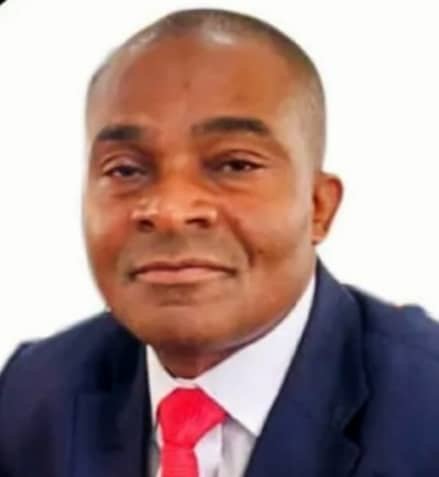
Social protection advocate Mr. Paul Odokara has highlighted the alarming increase in poverty in Nigeria, a pressing concern.
The World Bank’s latest Nigeria Development Update reveals that 139 million Nigerians (61%) live in poverty, a number projected to rise to 141 million by 2026. This distressing trend calls for urgent structural reform.
Odokara lamented that despite various social protection programs in place, poverty persists, highlighting the need for a more effective approach.
As the FCT Programme Officer of Act Naija!—a project implemented by Bread for the World Germany, the Africa Network for Environment and Economic Justice (ANEEJ), and the New Initiative for Social Development (NISD), co-funded by the European Union (EU)—he shared these insights in a recent statement to the media in Kaduna.
He emphasized that one viable strategy is to ring-fence financing, which involves dedicating a fixed percentage of the budget to social protection schemes.
“This would ensure predictable funding and protect vulnerable populations from policy inconsistencies and political changes. Currently, Nigeria’s social protection landscape is fragmented, duplicated, and underfunded, with only 14.8% of Nigerians covered by at least one form of social protection.”
Further, Odokara noted that the International Labour Organization reports Nigeria allocated only 0.14% of its GDP to social protection in 2021, one of the lowest rates globally.
He indicated that this chronic underinvestment undermines program efficiency and perpetuates poverty. To tackle this issue, Nigeria must explore sustainable solutions through innovative domestic financing models.
Mr. Odokara, therefore, called for the following measures:
– Allocation of a consistent share of national and state budgets to social protection, Creation of a fund supported by private corporations and multinational companies, Expansion of the tax base and enforcement of compliance, handling recovered funds into social protection programs, and mandating budgetary provisions for social protection at all levels of government
By implementing these measures, he believes Nigeria can break the cycle of poverty and build a sustainable future where social protection is a constitutional right, not a privilege.
“As the world observes the International Day for the Eradication of Poverty, Nigeria must respond decisively and prioritize ring-fencing funds for social protection.” He concluded