
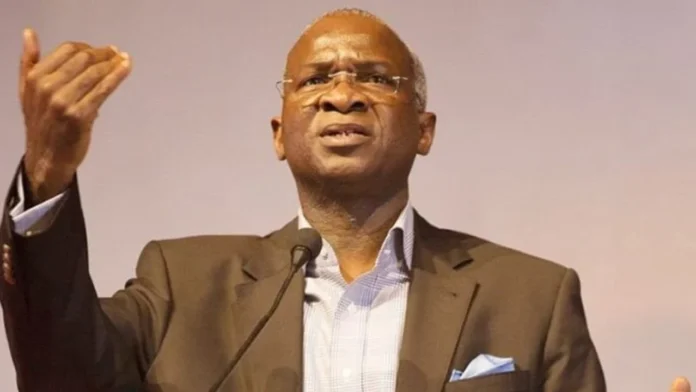
Former Lagos State Governor, Babatunde Fashola, has rejected calls for the execution of election riggers, insisting that electoral offences should attract stiffer legal punishments rather than death sentences.
Fashola warned that extreme political rhetoric and threats of violence could undermine Nigeria’s democracy, particularly as political parties and their supporters prepare for the 2027 general elections.
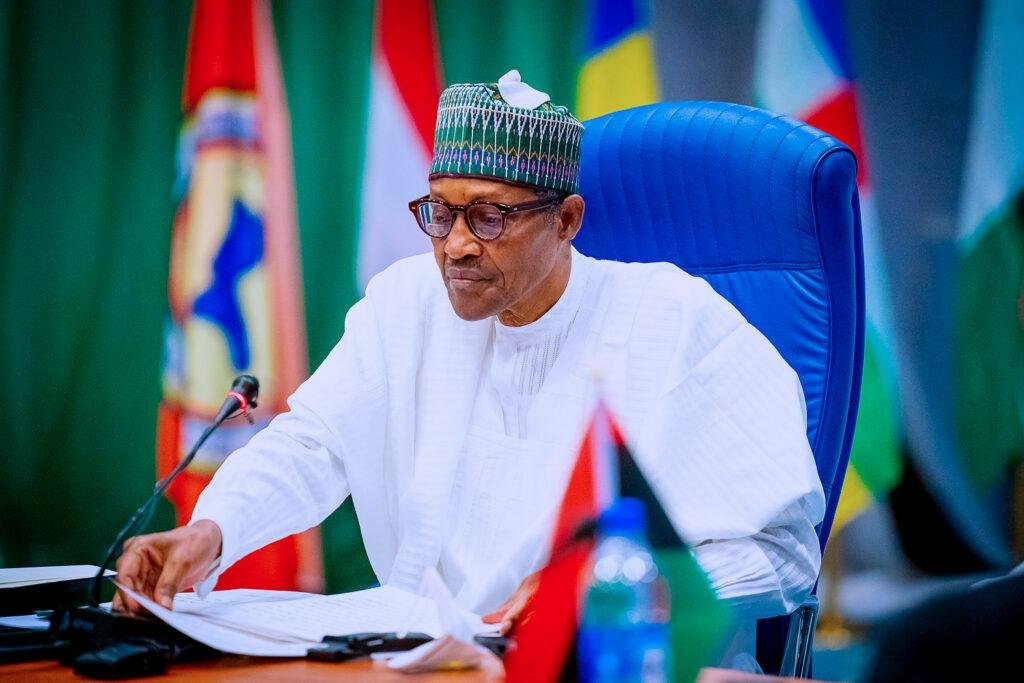
The former Minister of Power, Works and Housing stated this during an exclusive interview with ARISE News anchor, Ojy Okpe, while reacting to the controversial ‘rig and die’ slogan attributed to former Deputy Senate President, Ovie Omo-Agege, and comparisons with former President Muhammadu Buhari’s comments on ballot-box snatchers ahead of the 2019 elections.
Asked whether people involved in electoral malpractice should face the death penalty, Fashola, a Senior Advocate of Nigeria, responded emphatically, saying, “Absolutely not. I mean, come on.”
He argued that although electoral manipulation was a serious offence that threatened democratic governance, punishment must remain within the confines of the law.
“I think we must move away from what I think are extreme narratives and rhetoric,” he said.
Fashola maintained that the Electoral Act did not prescribe death as punishment for election rigging, stressing that even offences attracting capital punishment must follow established judicial procedures.
“The punishment under the Electoral Act is not death. And even if it were death, which I will not support, there’s a process before you take human life; a charge, a trial, an opportunity to defend yourself,” he said.
The former governor urged politicians and their supporters to condemn electoral malpractice without promoting violence or taking the law into their own hands.
He stressed that political ambition should not become an excuse for threats against opponents or those suspected of manipulating election results.
“The penalty for rigging is not death. But don’t rig. Go and campaign for your party,” Fashola stated.
He advised political parties to concentrate on strengthening their grassroots structures, mobilising supporters and winning votes rather than attempting to manipulate electoral outcomes.
According to him, political parties must recognise that electoral fortunes differ across communities and regions, adding that understanding local political realities should inform their campaign strategies.
“There are places where each party is popular. There are places where parties will never win, no matter what they do there. That is the reality across the world,” he said.
On whether existing punishments for electoral offences were strong enough to deter offenders, Fashola advocated tougher custodial sentences for serious violations capable of undermining democratic institutions.
He suggested that offenders convicted of grave electoral offences should face imprisonment without the option of paying fines.
“I think maybe there might be stiffer sentences without option of fine, maybe a defined custodial sentence that is deterrent in nature,” he said.
The former minister argued that electoral crimes should not become financial penalties that wealthy politicians and their associates could easily afford.
“I always hold the view that some very serious, really impactful conduct should not be allowed to be monetised, and undermining of democracy is seriously impactful,” he added.
However, he maintained that the proposed tougher sanctions should not extend to capital punishment.
“I don’t think it goes that far,” Fashola said.
Beyond punishment, the former Lagos governor called for sustained public enlightenment on electoral processes and democratic values, arguing that Nigeria had focused more on amending electoral laws than educating citizens about their responsibilities.
He said the country needed a comprehensive civic education programme to help voters, political actors and other stakeholders understand the principles of democracy.
Fashola proposed that such enlightenment should begin at primary school level and be delivered in Nigeria’s major languages to ensure wider understanding and participation.
He also argued that reducing political desperation required a change in public attitudes towards elections.
According to him, Nigerians must understand that democracy is a continuous process in which political parties can win at one time and lose at another without resorting to violence or electoral manipulation.
The former governor’s intervention comes as political activities gradually intensify ahead of the 2027 general elections, with renewed attention on electoral integrity, political violence and the need to strengthen democratic institutions.
Never miss a moment! Get the stories shaping Nigeria, delivered straight to your phone. Follow Peoplesdaily Newspaper on WhatsApp for breaking news, exclusive reports, and the headlines everyone will be talking about, before anyone else.