
FG seeks $500m grant to fast-track education reforms
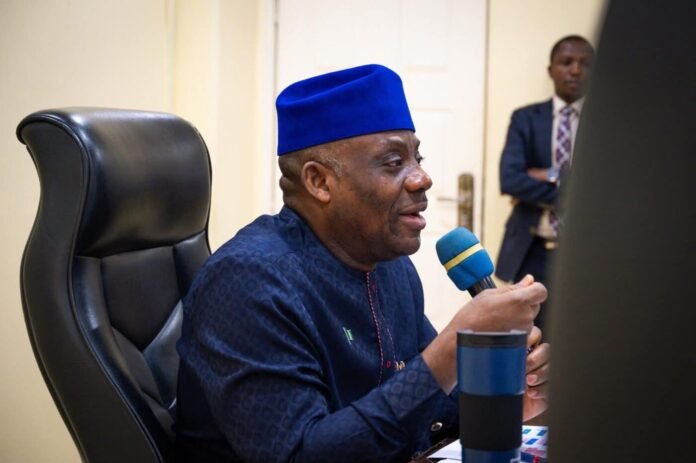
Minister of Education Tunji Alausa says Nigeria plans to access $500 million from Global Partnership for Education (GPE) to fast-track key reforms in the country’s education sector.
The minister made this known during a CEO breakfast meeting hosted by the ministry for the GPE, attended by top private sector leaders in Nigeria.
Alausa said the GPE is expected to raise $11.5 billion to boost learning across 80 countries, and Nigeria will use the opportunity to access additional $500 million of the fund.
“As part of this conference cycle, if everything goes well, Nigeria will benefit from another $500 million to support our foundational education,” Alausa said.
“Investment in education is the best investment that yields the highest return. For every one percent increase in spending, productivity rises by six percent. Every additional year of schooling leads to about a 5.7 percent increase in earnings, even higher for women.”
The minister said the country has 15 million out-of-school children with just about 1.1 million children taken back to school in the past year.
“Today, we still have about 15 million out-of-school children in our country, with a high concentration in the Northeast and Northwest,” Alausa said.
“In the last 24 months, we’ve been able to move well over 1.1 million children from the streets back to school.”
The minister highlighted a sharp drop in enrolment from primary schools to junior secondary schools due largely to inadequate infrastructure.
“Today, we have about 32 million children in primary schools, but when you move to junior secondary school, you find only about six million. There’s a drop-off of almost 22 million children,” he said.
“We have about 78,000 primary schools, but only about 9,000 junior secondary schools. That tells you clearly that access is a major issue.”
To address the infrastructure deficit in tertiary schools, he said the federal government has allocated N100 billion for the construction of new student hostels, with additional investments earmarked to address critical needs across Nigerian campuses.
“This year, we’ll be spending about N100 billion on building new student hostels across universities and polytechnics to expand access and improve learning conditions,” he said.
“We are investing heavily in STEM and technical education because that is where the future lies.”
Alausa reiterated that while new fiscal measures, including a development levy, are being implemented to boost education funding, the government alone can not meet the scale of investment required.
“The private sector remains a critical partner in driving innovation, expanding infrastructure, and ensuring that our education system produces globally competitive graduates,” he said.
“We are building a system that is transparent, accountable, and results-driven, but we need collective action to achieve lasting impact.”
In her remarks, Suwaiba Ahmad, minister of state for education, underscored the need for stronger collaboration with the private sector to achieve large-scale transformation of the education sector.
“Education remains the cornerstone of national progress, and no nation can achieve sustainable growth without a strong, inclusive, and forward-looking education system,” she said.
“This platform is designed to deepen engagement with the private sector, encourage innovative partnerships, and foster collaborative solutions that will accelerate transformation across all levels of education.”
She added that the GPE grant continues to play a pivotal role in advancing Nigeria’s education reform priorities and expanding access to quality education.