

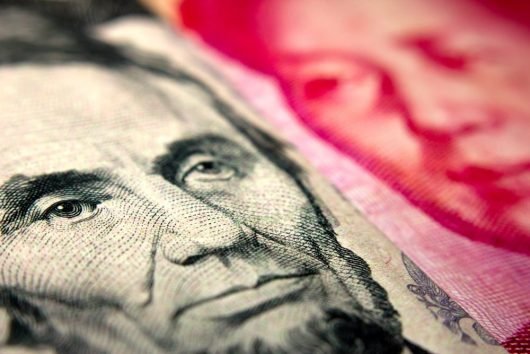
 The United States and China escalated their acrimonious trade war yesterday, implementing punitive 25 percent tariffs on $16 billion worth of each other’s goods, even as mid-level officials from both sides resumed talks in Washington.
The world’s two largest economies have now slapped tit-for-tat tariffs on a combined $100 billion of products since early July, with more in the pipeline, adding to risks to global economic growth.
China’s Commerce Ministry said Washington was “remaining obstinate” by implementing the latest tariffs, which kicked in on both sides as scheduled at 12:01 p.m. in Beijing.
“China resolutely opposes this, and will continue to take necessary countermeasures,” it said in a brief statement, adding that Beijing will file a complaint over the latest tariffs with the World Trade Organization.
The tariffs, scheduled weeks ago, did not interfere with the start of a second day of trade talks in Washington led by Chinese Commerce Vice Minister Wang Shouwen and David Malpass, the U.S. Treasury under secretary for international affairs.
Wang, asked by a Reuters reporter how the talks were progressing, declined to comment as he and his delegation entered the U.S. Treasury building on Thursday morning.
President Donald Trump has threatened to put duties on almost all of the more than $500 billion of Chinese goods exported to the United States annually unless Beijing agrees to sweeping changes to its intellectual property practices, industrial subsidy programs and tariff structures, and buys more American goods.
That figure would be far more than China imports from the United States, raising concerns that Beijing could consider other forms of retaliation, such as making life more difficult for American companies in China or allowing its yuan currency to weaken further to support its exporters.
Trump administration officials have been divided over how hard to press Beijing, but the White House appears to believe it is winning the trade war as China’s economy slows and its stock markets tumble.
“They’re not going to give that up easily. Naturally they’ll retaliate a little bit,” U.S. Commerce Secretary Wilbur Ross said on CNBC on Wednesday at a Century Aluminum Co smelter in Kentucky that has benefited from Trump’s aluminum tariffs.
“But at the end of the day, we have many more bullets than they do. They know it. We have a much stronger economy than they have, they know that too,” Ross said.
Economists reckon that every $100 billion of imports hit by tariffs would reduce global trade by around 0.5 percent.
They have assumed a direct impact on China’s economic growth in 2018 of 0.1 to 0.3 percentage points, and somewhat less for the United States, but the impact will be bigger next year, along with collateral damage for other countries and companies tied into China’s global supply chains. (Reuters)
Never miss a moment! Get the stories shaping Nigeria, delivered straight to your phone. Follow Peoplesdaily Newspaper on WhatsApp for breaking news, exclusive reports, and the headlines everyone will be talking about, before anyone else.

