

By Godwin Agia, Jalingo
The Centre for Initiative and Development (CFID), in collaboration with the Taraba State Antimicrobial Resistance (AMR) Technical Working Group, has called for responsible antimicrobial use and stronger coordinated action to combat antimicrobial resistance in Nigeria.
CFID Executive Director, Dr Danjuma Adda, made the call on Thursday in Jalingo during a town hall meeting organised to mark the 2026 World AMR Awareness Week (WAAW).
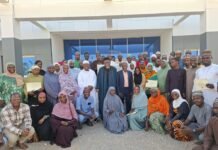
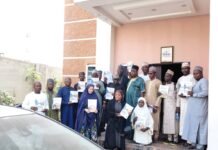
The meeting, themed “One Health, One Action: Prevent AMR Now,” brought together stakeholders from the health, agriculture and environment sectors, as well as civil society organisations. Participants included representatives of the World Health Organisation (WHO), the Taraba State Ministry of Health, security agencies, medicine vendors, academia and the media.
Adda explained that AMR occurs when bacteria, viruses, fungi and parasites no longer respond to antimicrobial medicines, making infections more difficult to treat and increasing the risks of disease transmission, severe illness and death.
He attributed the growing resistance to the misuse and overuse of antimicrobials in humans, animals, agriculture and the environment.
He urged residents to avoid self-medication, sharing antibiotics, using leftover medicines and purchasing incomplete doses.
Adda also advised residents to seek medical attention from qualified health professionals, undergo appropriate tests and complete their prescribed treatments. He stressed that antibiotics are ineffective against viral infections such as influenza and the common cold.
He called for collective responsibility across all sectors to prevent AMR.
“Preventing AMR requires collective responsibility across sectors, and behavioural change must begin within households and communities, alongside sustained government investment, effective regulation and stronger health systems,” he said.
Adda also highlighted CFID’s antimicrobial stewardship achievements across six states, 12 local government areas, 48 communities and 63 schools.
He said the interventions included capacity-building programmes for more than 400 community pharmacists and medicine vendors, as well as activities in 14 hospitals that reached over 1,000 healthcare professionals.
He further disclosed that the town hall meeting followed school-based AMR awareness activities conducted from November 19 to 20, 2026, across four secondary schools in Jalingo.
According to him, students and teachers acknowledged common practices contributing to AMR, including self-medication, sharing antibiotics and discontinuing treatment prematurely.
In his remarks, the Taraba State Commissioner for Health, Dr Bordiya Buma, represented by the Director of Public Health and Chairman of the State AMR Technical Working Group, Abe Agbu, commended CFID for its support.
He assured stakeholders of the state government’s commitment to strengthening ownership and financing of AMR interventions.
Buma pledged to advocate for the inclusion of AMR activities in the state’s Annual Operational Plan.
“We acknowledge the need for stronger institutional ownership and sustainable financing, and we are committed to facilitating the inclusion of AMR activities in the State Annual Operational Plan,” he said.
The correspondent reports that the meeting featured scientific presentations and interactive discussions on progress made, implementation gaps and opportunities to strengthen Nigeria’s response to AMR.
Stakeholders identified priority actions, including stronger political commitment, improved diagnostic services, responsible prescribing, veterinary antimicrobial stewardship and increased community awareness.
They also urged participants to sensitise at least 10 people each before December 2026, stressing the need to move beyond awareness creation to measurable action.
Never miss a moment! Get the stories shaping Nigeria, delivered straight to your phone. Follow Peoplesdaily Newspaper on WhatsApp for breaking news, exclusive reports, and the headlines everyone will be talking about, before anyone else.