

By Femi Oyelola
In Kaduna State, vulnerable population, especially children and the elderly, have faced significant barriers in accessing affordable health insurance in the past.
Despite the importance of health insurance in ensuring quality healthcare, many low-income families struggle to afford premiums, leaving them to rely on out-of-pocket payments.
A mother of two, Ruth, who lives in Sabo Tasha, Chikun Local Government Area, shared her struggles in paying for her daughters’ treatment.
“We never see food to chop, which one is health insurance?” she said, highlighting the difficulty of prioritizing health insurance over basic needs.
Experts note that administrative hurdles, low awareness, and insufficient infrastructure exacerbate the challenge of extending coverage to underserved children.
Responding to this, Dr. Juliana Bungwan, Director of Operations, Kaduna State Contributory Health Management Authority (KADCHMA), said the Town Hall and interactive meeting with stakeholders is a step to create awareness.
According to her the Kaduna State Contributory Health Management Authority (KADCHMA) aims to make healthcare affordable for vulnerable groups, including pregnant women, children, and pensioners, by expanding the Social Health Insurance scheme and enrolling more vulnerable individuals.
She disclosed that the government also collaborates with partners and encourages philanthropists to support the scheme and broaden its reach to ensure no resident is left behind.
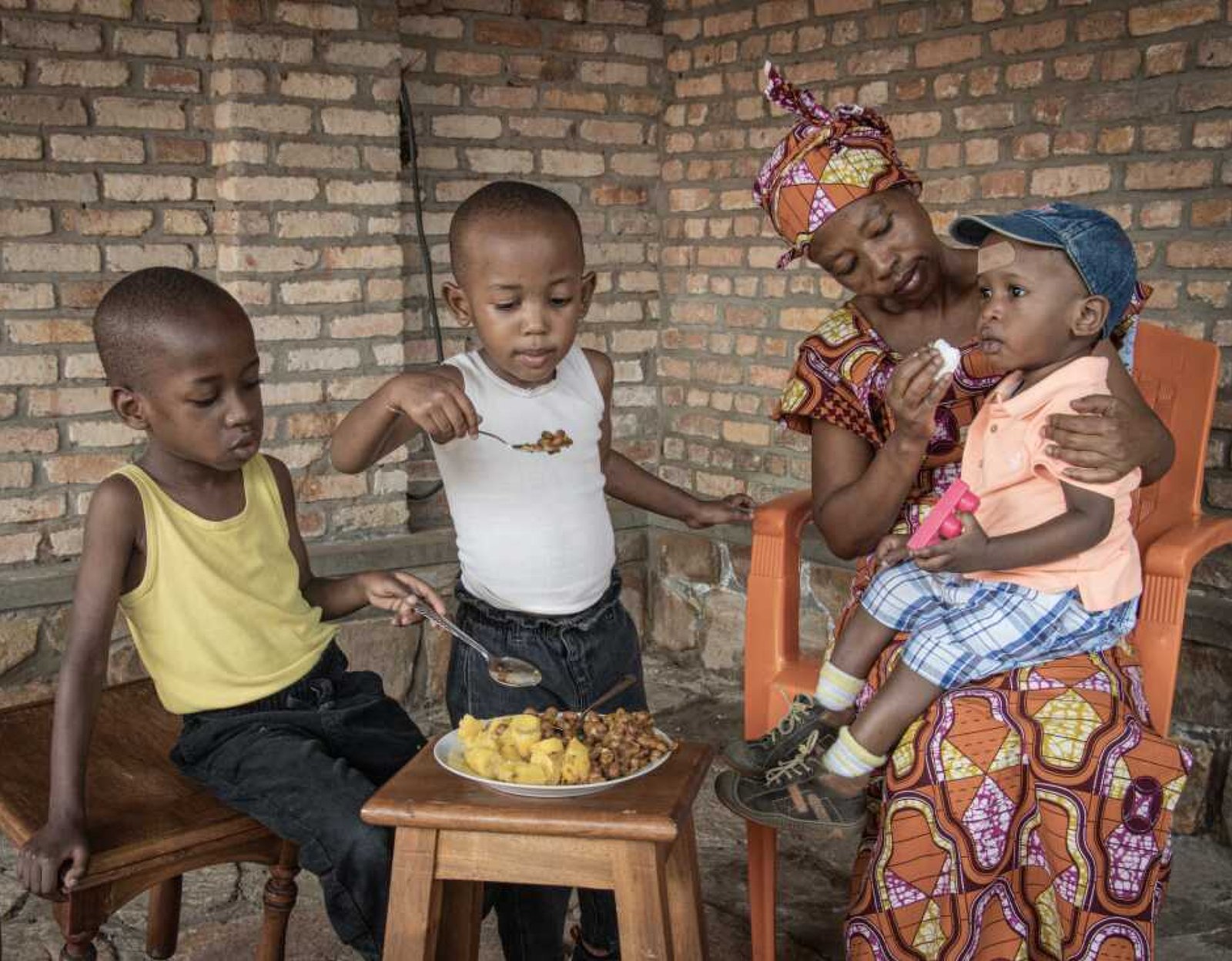
Speaking at the Town Hall meeting in Sabo Tasha recently, Mallam Suleiman Mustapha, Head of Administration and Finance of KADCHMA, said the organization is actively enrolling vulnerable groups such as pregnant women, children, and persons with disabilities to make them beneficiaries of the scheme.
He added that a specific scheme provides pensioners with affordable access to healthcare services, significantly reducing their financial burden from medical expenses.
The overall goal of the contributory health insurance is to achieve UHC, where every resident can access quality healthcare without facing financial hardship.
“The scheme features low annual premiums, making it accessible even for those with limited financial resources.” He said
To extend the gesture of health coverage to pensioners the State Government launched a health insurance scheme for pensioners in the state
The scheme, is a partnership between the Kaduna State Contributory Health Management Authority and the state chapter of the Nigerian Union of Pensioners.
Director General of KADCHMA, Abubakar Hassan, said the scheme would provide pensioners with access to healthcare services from any public or private health facility across the state without incurring out-of-pocket expenses.
He added that the annual premium for the scheme was less than N10,600, making it incredibly affordable for pensioners.
“The annual premium for this health insurance scheme is less than N10,600, making it incredibly affordable for our pensioners,” Hassan said.
“This will facilitate access to quality healthcare for our pensioners, in line with the promises of Senator Uba Sani’s administration to provide access to quality care through a state contributory health insurance scheme.”
A participant at a Town Hall meeting, and elder advocate, Easter Yacham, emphasized the need for different strategies to make health insurance more appealing and accessible to low-income families. She suggested that the government could fully subsidize health insurance premiums for the poorest families.
She stressed that the government could fully subsidise health insurance premiums for the poorest families through programmes like the Vulnerable ensuring the Basic Health Care Provision Fund (BHCPF) is fully followed
Easter, who is a woman’s leader, opined that this will ensure that children and the elderly are automatically enrolled in health insurance plans, removing financial barriers.
Public awareness campaigns can educate families on the benefits of enrolling in health insurance programs, helping increase participation rates.
With the expansion of the State Health Contributory Scheme, which is a pool, the government can ensure that underserved populations are better covered.
Expanding health care to underserved children and the elderly is not just about improving healthcare access—it is about equity and justice.
“These vulnerable groups deserve the opportunity to live healthy, fulfilling lives, and universal health coverage is key to achieving that goal.
According to a study, children without health insurance are three times more likely to have unmet health needs.
Health insurance coverage ensures access to preventive services, regular check-ups, and timely treatment for chronic illnesses.
Research shows that insured children have better educational outcomes and greater earning potential as adults.
Expanding health insurance coverage to underserved children and the elderly is crucial for promoting equity and justice in healthcare. By working together, government agencies, healthcare providers, and community organizations can ensure that vulnerable populations have access to quality healthcare.
Never miss a moment! Get the stories shaping Nigeria, delivered straight to your phone. Follow Peoplesdaily Newspaper on WhatsApp for breaking news, exclusive reports, and the headlines everyone will be talking about, before anyone else.

