
By Stanley Onyekwere
For decades, the indigenous people of Abuja , the Federal Capital Territory (FCT) have lived in the shadow of the very city they called home long before it became Nigeria’s seat of power. While skyscrapers rose and diplomats moved into lush districts, the original inhabitants often felt like spectators in their own land.
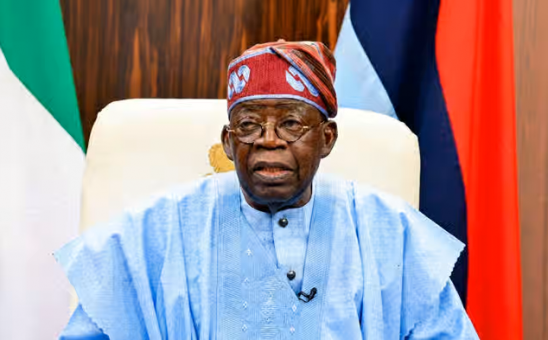
Howver, a tide is turning. During a media parley on Friday, April 3, 2026, FCT Minister Barrister Nyesom Wike sent a clear message: The era of indigenous marginalization is over. Under the “Renewed Hope” agenda of President Bola Ahmed Tinubu, the government is moving beyond rhetoric to ensure that those who sacrificed their ancestral lands for the nation finally enjoy the same privileges as the “newcomers.”
A seat at the table: Political inclusion and ecognition
One of the most significant shifts highlighted by the Minister is the deliberate inclusion of indigenes in high-level governance. According to him, for the first time in the FCT’s history, the indigenous population is seeing its own rise to prominence through strategic appointments.
Ministerial Representation: Breaking a long-standing glass ceiling, indigenes are now being recognized at the highest levels of the FCTA.
Traditional Elevation: The recent elevation of traditional rulers isn’t just ceremonial; it is a recognition of the leadership and stability these stools provide at the grassroots level.
Land Ownership: In a move to correct historical imbalances, the administration is prioritizing the issuance of Certificates of Occupancy (C of O) to indigenous people.
“Everybody comes here and gets land with C of O… Must they suffer because here is the capital? Must they not benefit also?” Barr. Wike questioned, noting that this move empowers locals to participate in the capital’s booming real estate economy.
Infrastructure: Beyond the city centre
Glaringly, the administration is aggressively tackling the “development gap” that has historically separated the gleaming city center from the neglected satellite towns.
Key infrastructure initiatives:
Rural Connectivity: Massive road and water projects are underway in satellite towns to open up rural economies.
The Wasa Transition: Plans are finalized to relocate residents from Kpaduma village to the Wasa District, where modern infrastructure is already being laid to ensure a seamless and dignified transition.
Karu Development: Despite concerns over pace, the Minister reaffirmed that the Karu project remains on track for inauguration during President Tinubu’s third anniversary.
Education, health, and safety
Infrastructure is only one side of the coin; human capital remains the priority. The FCTA has awarded contracts for the renovation of over 200 schools, alongside a major overhaul of the health sector.
On the security front, the Minister reported a significant decline in “One Chance” robbery syndicates. A major structural fix is on the horizon: the commencement of operations at new bus terminals, which will eliminate illegal transport operators and provide a safer commute for residents.
A call for partnership
While the government is doing its part, Wike was candid about the financial realities. Federal allocations alone cannot sustain the scale of ongoing projects. He urged residents to:
Pay Taxes: Fostering a culture of civic contribution to fund massive infrastructure and overheads. Hold Government Accountable: Encouraging citizens to be active participants in the development of the capital.
As Abuja continues its transformation into a world-class city, the message from the FCTA is clear: This time, no one—especially not the original owners of the land—will be left behind.