
By Christiana Ekpa
The Chairman of the House Committee on HIV/AIDS, Tuberculosis, Leprosy, and Malaria Control, Rt. Hon. Amobi Godwin Ogah, has assured that the parliament will take decisive legislative actions to combat tuberculosis (TB), including pushing for increased funding and enacting laws to protect patients’ rights,
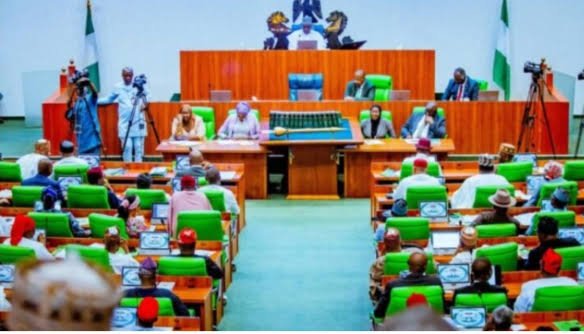
Speaking at the Re-Launch of the Nigeria Parliamentary TB Caucus at the National Assembly on Wednesday, Ogah emphasized that lawmakers must leverage their positions to strengthen Nigeria’s TB response.
He promised to mobilize parliamentarians to sign up for the caucus and champion policies that will enhance TB detection, treatment, and prevention.
“Our role in providing legislative interventions and support to the response against TB in Nigeria is critical and cannot be overemphasized. We must take advantage of our position and the population under our control to fight the scourge of TB,” Ogah said.
He highlighted that nearly 70% of Global Fund-supported countries are facing budget shortfalls for TB response, with 10 nations alone facing a $600 million deficit in 2025.
Nigeria, he warned, must increase domestic resource mobilization, particularly since most African countries, including Nigeria, have yet to meet the Abuja Declaration target of allocating 15% of their national budgets to health.
To ensure that funding gaps do not cripple Nigeria’s fight against TB, Ogah urged Parliament to intensify advocacy and push for greater financial commitments from the government.
He also vowed that the caucus would work toward laws that protect TB patients from stigma and discrimination while improving their access to healthcare.
Ogah praised President Bola Ahmed Tinubu for committing over ₦700 billion to Nigeria’s health system, including TB interventions, and commended First Lady Senator Oluremi Tinubu for her ₦1 billion donation to TB eradication efforts.
He further called for swift action to hold the government accountable for its commitments, ensuring that TB services reach the most vulnerable and marginalized groups.
Reaffirming Nigeria’s commitment to the global goal of ending TB by 2030, Ogah urged his colleagues to step up their efforts, echoing the World TB Day 2025 theme: “Yes, We Can End TB – Commit, Invest, Deliver.”
The Speaker, Rt Hon Tajudeen Abbas, said the House of Representatives will take bold legislative action and increase funding to combat tuberculosis (TB), a disease that continues to pose a major public health threat in the country.
Abbas described TB as a longstanding but often overlooked health crisis, stressing that urgent interventions are needed to curb its devastating impact.
“Most of us started hearing about this scourge in our childhood, and after a while, it seemed forgotten, yet it remains one of the most deadly diseases affecting humanity today,” Tajudeen said.
According to the World Health Organization (WHO), Nigeria remains the seventh-highest TB-burdened country globally and second in Africa, with 361,000 new cases recorded in 2023—a 26% increase from the previous year.
Worse still, 9% of these cases involved children, while 63,000 people living with HIV were co-infected with TB.
Despite past efforts, including the establishment of the National TB and Leprosy Control Programme in 1989 and alignment with WHO’s global TB elimination strategies, the disease continues to spread.
The Speaker emphasized the urgent need for stronger awareness campaigns, improved healthcare infrastructure, and legislative measures to bridge the treatment gap.
Tajudeen reaffirmed the 10th House of Representatives’ commitment to prioritizing health reforms, noting that Parliament had already increased the national health budget in line with the Abuja Declaration, which recommends at least 15% of the national budget be allocated to healthcare.
He said the House also proposed amendments to the National Health Act, raising Basic Health Care Provision Fund (BHCPF) funding from 1% to 2% of the Consolidated Revenue Fund to strengthen TB treatment and healthcare infrastructure.
He added that the House expanded access to primary healthcare in rural and underserved areas, while pushing for a universal health insurance system to make healthcare more affordable, as well as encouraged research into tropical diseases, traditional medicine, vaccine development, and innovative TB treatment methods.
Abbas called on all lawmakers to actively participate in the caucus, assuring that the House would provide full legislative backing to ensure Nigeria meets its 2030 target to end TB, as outlined by the United Nations Sustainable Development Goals (SDGs).
“This caucus marks a new beginning in our efforts to match words with action. I urge all members to give their best and push for the necessary legislative steps to rid our country of this disease,” he added.
The TB Parliamentary Caucus, spearheaded by the House Committee on HIV/AIDS, Tuberculosis, Leprosy, and Malaria Control, aims to strengthen Nigeria’s TB response by mobilizing resources, influencing policy decisions, and ensuring greater accountability in TB eradication efforts.