

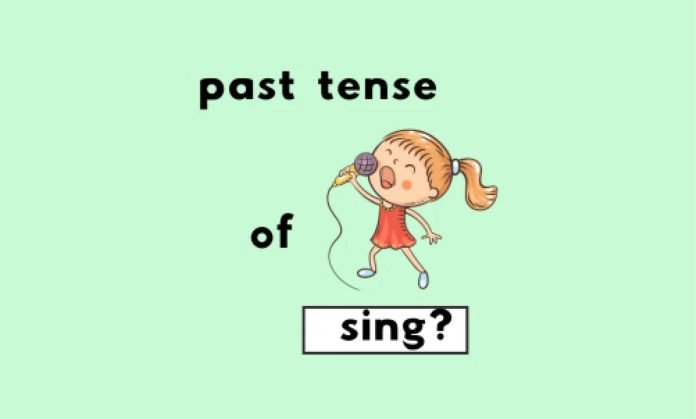
In the English language, verb tenses are used to indicate the time when actions take place. It is important to have a good understanding of when and how to use them to avoid grammatical mistakes, especially when speaking in public. This topic brings to mind a classroom experience I had with a few students in 2022. I mentioned that “I have sung the song”, and one of them objected to my use of “sung” instead of “sang” with great conviction, claiming it was grammatically incorrect. I was not upset because I realized they were not familiar with the past participle form of the verb “sing”.
Study the following expressions:
Sing
The choristers had sang the welcome song before the arrival of Mr President. (Incorrect)
The choristers had sung the welcome song before the arrival of Mr President. (Correct)
Has the musician sang the popular song? (Incorrect)
Has the musician sung the popular song? (Correct)
Begin
Professor Bogunde Olawale had began his classes despite the discouraging number of students present. (Incorrect)
Professor Bogunde Olawale had begun his classes despite the discouraging number of students present. (Correct)
We have began the assignment. (Incorrect)
We have begun the assignment. (Correct)
Ring
Has the time keeper rang the bell? (Incorrect)
Has the time keeper rung the bell? (Correct)
The principal herself has rang the emergency bell. (Incorrect)
The principal herself has rung the emergency bell. (Correct)
Swim
The boys had swam in the swimming pool before day break. (Incorrect)
The boys had swum in the swimming pool before day break. (Correct)
Think
We think the chairman would be present at the executive meeting. (Incorrect)
We thought the chairman would be present at the executive meeting. (Correct)
The Difference Between a CV and a Resume
One of the questions I receive weekly from job applicants on WhatsApp is, “How do we distinguish between a CV and a resume?” For those who may have missed the lesson in our previous publications, I have decided to post it again.
“According to the Oxford Advanced Learner’s Dictionary, a ‘CV’, which is an initialism for ‘curriculum vitae’, is defined as “a written account of one’s life comprising education, accomplishments, work experience, publications, etc; especially, one used to apply for a job.” The Cambridge Dictionary also defines a CV as a “short written description of your education, qualifications, previous jobs, and sometimes also your personal interests, that you can send to an employer when you are trying to get a job.”
A resume and a CV serve similar purposes, both summarizing one’s educational background and work history. However, there are key differences between the two documents. A resume is more concise than a CV, tailored specifically to a particular job role. For example, when applying for a head of operations position, your resume should emphasize your relevant work experience in office settings. Publications and research projects from your academic career are typically not necessary in a resume, especially if they are unrelated to the job role. The focus of a resume is on showcasing your qualifications and experiences that directly relate to the position you are applying for.
In a CV commonly used for academic purposes, your publication and research experiences take priority. Volunteering experiences and other relevant projects for the course you are applying for at universities abroad are also important. The recommended length for a resume is two pages, while a CV can be longer, especially if you have a lot of academic experience for scholarship opportunities. In summary, submit a resume tailored to the specified job role.”