

On October 12th, 2023 Salama Sexual Assault Referral Centre, Kaduna, disclosed that 3,168 Gender-based Violence (GBV) cases have been reported in Kaduna State, of which 220 were rape cases.
It became more worrisome when the center disclosed that aside rape, other cases of gender violence reported included sexual harassment, and physical, emotional, and economic violence among others.
The Centre’s Manager, Mrs. Grace Abbin Yohanna said that 2,723 of the SGBV cases were assaults on females, while 445 cases were assaults on males. She added that six persons from her jurisdiction in Kafanchan Zone were prosecuted with four of them getting life imprisonment
Similarly, a Kaduna High Court recently sentenced to death a man, Usman Shehu Bashir for raping to death a two-year-old girl.
The accused was a neighbor of the victim’s parents in the Sabongari area of the town and had lured the girl into his room where he raped her to death, something that sounds like midnight tales.
According to Justice Kabir Dabo, the Kaduna High Court Judge who ruled on the case, “the convict has conventionally confirmed the occurrence of the offense, as well, his written statements also confirmed. By these two confessional statements, the court passed the judgment.
This is how cases of GBV are on the high rise in Kaduna state, and surprisingly the perpetrators of this menace cut across the broad spectrum of the society. In another case, the Police in Zaria, Kaduna State recently arrested a traditional ruler for allegedly sodomizing a 14-year-old boy.
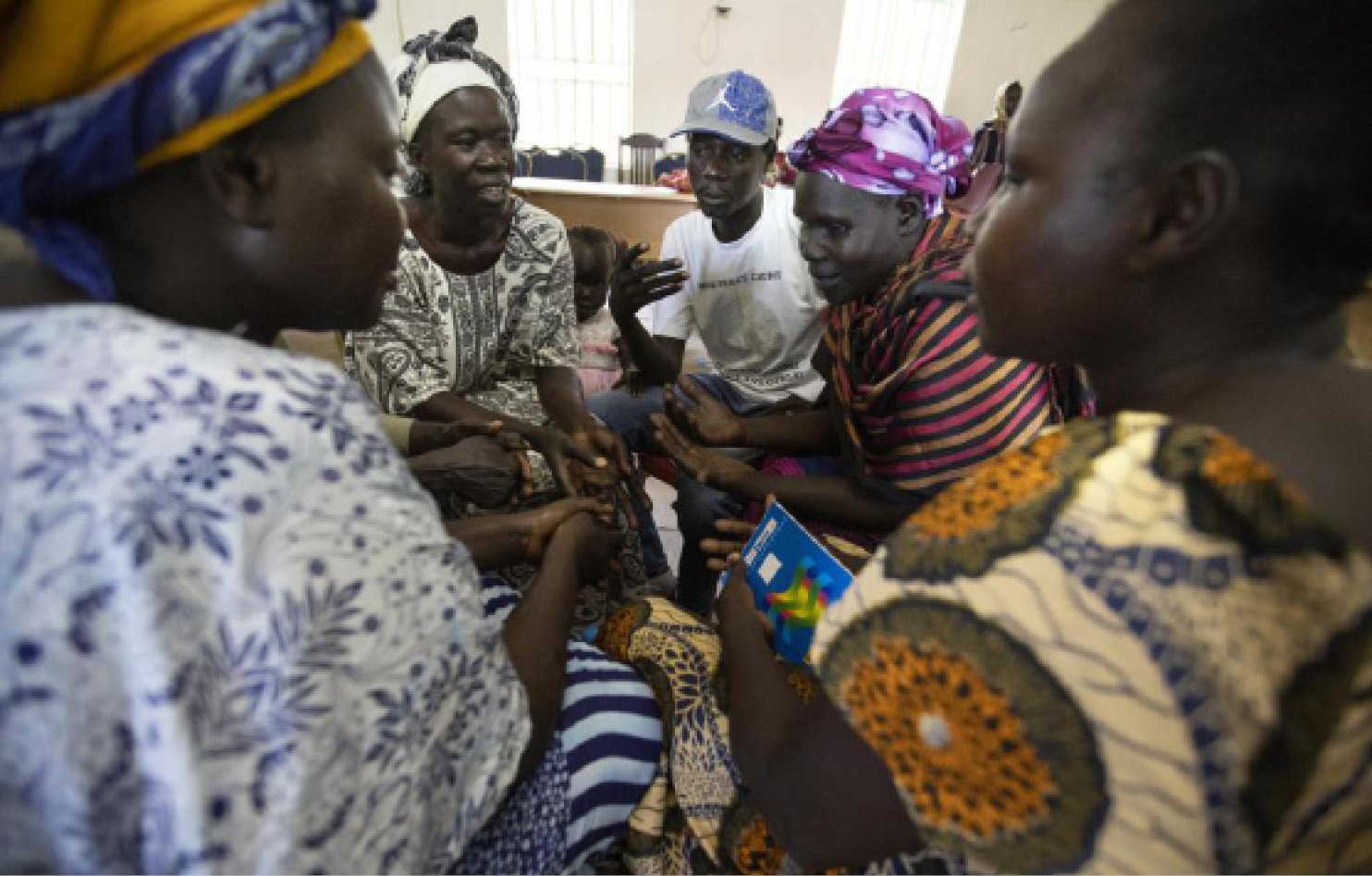
In the same vein, a clergy in Gombe state is currently being prosecuted for GBV on some ladies and a Legal practitioner was in the news for the bad reason of raping a 13-year-old teenagers.
This development looks fearful to parents and guardians, and many have begun to ask questions about what has happened to ‘our conscience’ but painfully many did not know what GBV in reality is all about.
Mrs Se- Ember of Save the Children International (SCI) defines Gender-based Violence (GBV) as any act of violence perpetrated against any person based on their gender,
Speaking at a Forum on Capacity Building training for Civil Society Organizations, Grievance Redress
Mechanism (GRM) Service Providers, Media and Ministries, Departments and Agencies MDA’s, Se- Ember stressed that even though girls and women are mostly perceived to be victims, boys and men are also victims, but their cases are underreported due to societal cultural norms and religious beliefs.
She, however, warned that whether reported or not, Gender-Based Violence (GBV) or Violence Against Women and girls (VAWG) is a global pandemic that affects survivors in their lifetime.
According to her, gender mainstreaming which is an approach to policy-making that takes into account both women and men’s interests and concerns aa well as social inclusion is the best option to address the rising GBV
Se- Ember explained that mainstreaming means integrating a gender equality perspective at all stages and levels of policies, programs, and projects.
“Women and men have different needs and living conditions and circumstances, including unequal access to and control over power, resources, human rights, and institutions, including the justice system.
She stated that the situations of women and men also differ according to country, region, age, ethnic or social origin, or other factors.
“Gender mainstreaming aims to take into account these differences when designing, implementing, and evaluating policies, programs, and projects so that they benefit both women and men and do not increase inequality but enhance gender equality.
“Gender mainstreaming aims to solve –sometimes hidden- gender inequalities. It is therefore a tool for achieving gender equality.” She said
Corroborating this assertion, the Acting Executive Director of Legal Awareness for Nigerian Women (LANW) Mrs Hannatu Ahuwan,
explained that GBV includes physical violence, sexual assault, rape, psychological and emotional violence, economic violence, among others.
She added that GBV has severe and wide-ranging impacts on individuals, families, communities, and the overall development of Nigeria.
“According to a compilation of 16 Facts about Violence Against Women and Girls in Nigeria supported by the Spotlight Initiative, almost one out of three women aged 15–49 in Nigeria have experienced physical violence. Also, 1 in 4 girls, including very young ones, experience sexual violence. Some of the key impacts of gender-based violence in Nigeria can be categorized into three: individual impacts; family and community impacts; and societal and development impacts.
“The impact of violence on the individual affects the physical health of survivors which presents as injuries resulting from violence, including physical trauma, wounds, and sometimes life-threatening injuries.
“These can also result in long-term health issues, including chronic pain, sexually transmitted infections (STIs), and reproductive health complications,” she said
Reacting to the rising number of GBV the Police Public Relations Officer, Kaduna Police Commands,
ASP Mansur Hassan, disclosed that several sexual and gender-based violence cases were being recorded, and arrests were being made daily.
According to him the command under the leadership of CP Musa Yusuf Garba is concerned about the increasing number of defilement cases in the state.
He added that several rapes incidents and cases of domestic violence were also recorded, noting that some suspects have been charged in court.
ASP Hassan asserted that several cases were currently under investigation, which shows the command’s commitment to prosecuting any domestic and gender-based violence in Lagos state,
“The remodeling of the command’s gender unit by CP Graba was an indication of his commitment to deal decisively with gender-based violence culprits.”
The police spokesperson said more officers had been trained and added to the unit to improve investigations on gender-based violence cases.
He urged the public to always speak out when abused or when they witnessed gender and sexual abuse, noting that police would rise to protect their rights.
A Social Protection Specialist with the Expanding Social Protection for Inclusive Development (ESPID), project Mr. Victor Ogaranduku speaking at a forum recently said social protection interventions when properly channeled can go a long way to mitigate the menace.
He, however, said Nigeria’s Social Protection System is highly exclusive, hence the need for the government to deepen it to improve the welfare of the vulnerable Nigerians.
Victor argued that deepening social protection would allow the government to provide a safety net for vulnerable individuals and communities within the country which can go a long way in addressing the rising GBV cases
The Social Protection Specialist observed that despite the importance given to social protection policies at both national and state levels, social protection coverage remained limited in Nigeria.
He therefore stressed the need to improve social protection in the country, because more Nigerians were falling into extreme deprivation and vulnerability which made them prey to the hand of GBV perpetrators.
Corroborating this Yusuf Ishaku Goje of Kaduna Social Protections Accountability Coalition (KADSPAC,) said the Issues of Gender-Based Violence and Social Inclusion have remained central to the slow pace of sustainable political and socio-economic development of Nigeria.
“Rooted in some of our cultural norms and religious beliefs, it is a conundrum that has defied transformative change, despite appreciative progress. This has been compounded by a worsening economic situation with household income and expenses hit the hardest.
“Thereby, putting pressure on household incomes as a result of rising needs as well as changing roles. Weak regulation of the medium of mass communication, especially social media, is fast eroding values to checkmate gender-based violence and explicit content that encourages violence and addiction to pornography.
“The high rate of physical violence perpetrated by both men and women is alarming in Nigeria. While women and girls mostly get attention when it comes to gender-based violence, the rising rate of psychological and physical violence targeted at men and boys is alarming but under-reported.
“Gender mainstreaming and social inclusion efforts in Nigeria continue to face pushback despite laws and policies that have been put in place as well as an increase in the number of advocates.
“Many of the gatekeepers in government and the larger society are yet to embrace the idea of equality and equity. In itself, the political and economic institutions as well as the corporate culture and education system by default still encourage social exclusion.
“Therefore, the need for concerted effort in ensuring that relevant laws and policies are adequately implemented as well as behavioral change approaches are encouraged to reduce the rate of gender-based violence and mainstream social inclusion in all sectors at all levels in the country.
“We also need to look inwards to align the campaign with our positive values and not adapt the concept holistically without considering peculiarities,” He said
The Executive Director of Hope for Children Initiative, Hajia Hadiza Umar, opined that addressing GBV and achieving social inclusion is a critical need and remains a goal far-fetched to the Nigerian context due to prevailing challenges.
She expressed dismay over the challenges of the low awareness level on the prevalence and consequences of GBV, patriarchy, negative social norms, and the weak reporting pathways among other things.
“Achieving a reduction in GBV and increased social inclusion will require a multifaceted approach, through civil society and government partnerships across communities to top government levels for a critical shift in how we prevent, report, respond and seek justice for survivors, ensuring everyone is carried along in the movement towards creating a violent free, and conducive environment for all to thrive without discrimination and marginalization.
The way forward, for Mrs Hanatu Ahuwan, is to address the GBV scourge, all stakeholders must join forces and intensify efforts already in place.
Stakeholders such as government, security agencies, traditional and religious leaders, community and family members, media, civil society, and development partners.
According to her, strategies for addressing GBV in Nigeria should focus on legal reforms by strengthening/reviewing existing laws and improving implementation of the laws.
The government, CSOs, and the media should increase awareness creation to educate the public about the different forms of GBV, its impact, and available support services.
Community leaders, influencers, and local organizations need to be engaged to promote awareness at the grassroots level. The government should work with CSOs and the private sector towards improving support services like healthcare and counseling services, shelter and legal services, etc.
The government needs to work with CSOs, and religious and traditional leaders to deliberately address deep-rooted cultural norms that perpetuate gender-based violence. Capacity strengthening should be provided for service providers including healthcare professionals, law enforcement officers, legal practitioners, and social workers on gender sensitivity, trauma-informed care, and effective response mechanisms.
“Community leaders and influencers should also be targeted to support them to become advocates against gender-based violence and champions for gender equality.
“Strategies for addressing GBV can also include prevention programs directed at educational institutions that focus on promoting respectful relationships, consent, and bystander intervention.
“Organizations should be encouraged to put in place and implement Sexual and Gender-Based Violence (SGBV) and safeguarding policies that address gender-based violence, ensuring a safe and supportive environment for all employees.
“ The government in collaboration with CSOs and other service providers needs to improve on data collection and seek partnerships. “ She said
Never miss a moment! Get the stories shaping Nigeria, delivered straight to your phone. Follow Peoplesdaily Newspaper on WhatsApp for breaking news, exclusive reports, and the headlines everyone will be talking about, before anyone else.


