
-
Says collaboration with security agencies yielding results
-
As Uzodimma speaks on how Africa’s development can be achieved
By Lateef Ibrahim Abuja
Yobe State governor, Mallam Mai Mala Buni has disclosed that his administration has provided scholarships to over 50,000 students to study in tertiary institutions in Nigeria and other countries across the globe.
Similarly, Governor Buni revealed that his government has rebuilt no fewer than 301 schools destroyed by the insurgency, established over 20 new schools, recruited 7,230 teachers, and trained 12,714 others to improve their capacity.
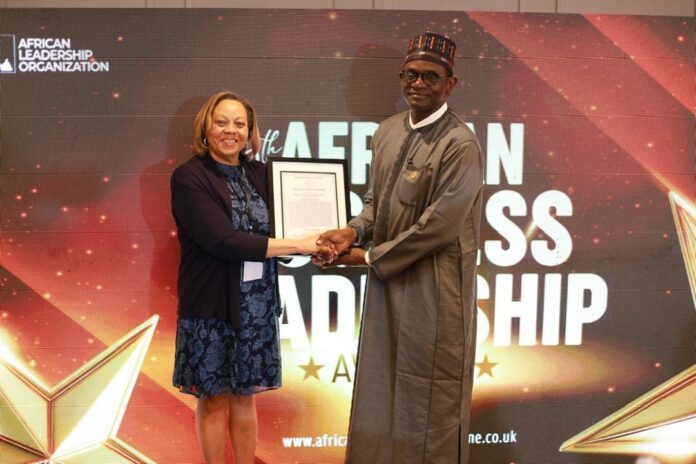
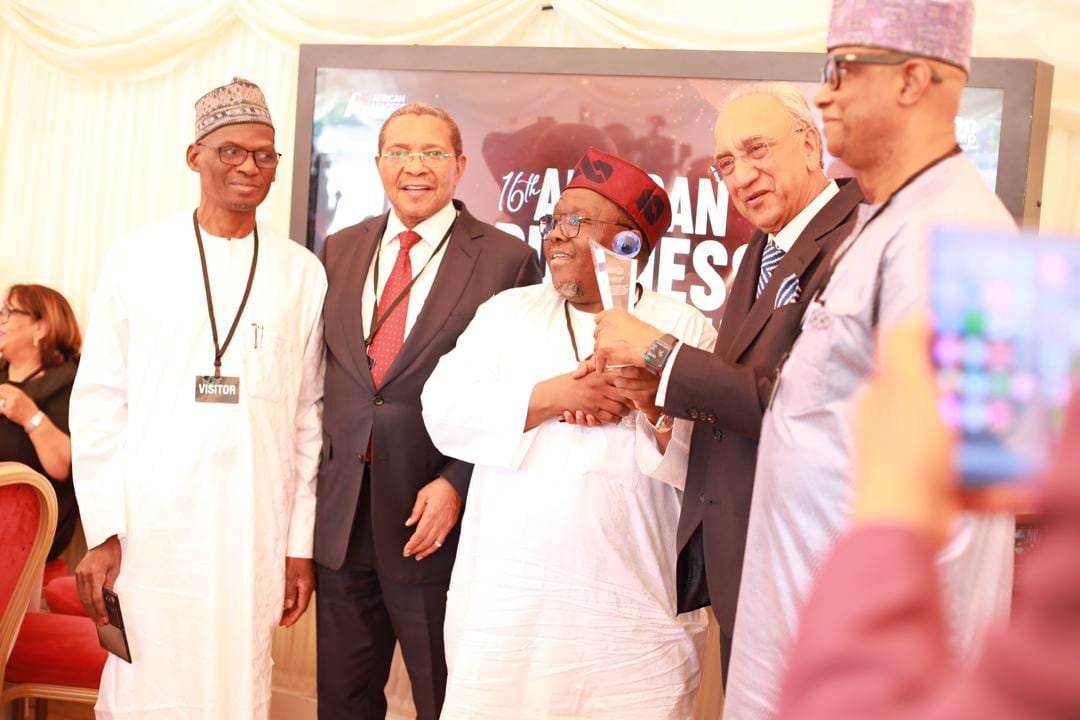
The governor, who made these disclosures while speaking at the 16th African Business Leadership Awards (ABLA) in Westminster, London, equally said that his administration’s collaboration with security agencies has yielded positive results in the State.
Speaking on the theme, “Leadership in an Era of Uncertainty: Building Resilience, Inclusion, and Shared Prosperity in Africa: The Yobe State Experience”, Buni disclosed that the state government, through the adoption of both kinetic and non-kinetic approach, has won the confidence of the locals who had begun to give information on the hideouts of the insurgents.
These steps, according to him, were taking in order to, “build confidence among the people against the ideology of the insurgency, which seeks to set the people against going to formal schools”.
These investments in education, he proudly said, have increased enrollment into schools and fast-tracked development of education in the state.
The Governor explained that the various achievements were made possible because his administration declared a state of emergency on primary and basic education.
His words, “Our administration declared a state of emergency on primary and basic education, reconstructed 301 schools destroyed by the insurgency, established over 20 new schools, recruited 7,230 teachers, and trained 12,714 others to improve their capacity. We have provided scholarships to over 50,000 students to study in tertiary institutions in Nigeria and other countries across the globe.
“This is to build confidence among the people against the ideology of the insurgency, which seeks to set the people against going to formal schools,.
“These investments in education increased enrollment into schools and fast-tracked development of education in the state.
“Nigeria’s Federal Ministry of Education has now declared Yobe State’s approach to implementing the basic education policy as a role model to other subnationals,” he said.
The governor also said his administration
launched a reform policy on healthcare delivery, and established one functional primary healthcare facility in 142 out of the 178 wards across the state, while work is in progress in the remaining 36 wards.
The Governor also revealed the secret of the state’s successes in the war against insurgency, stressing that the state government, through the adoption of both kinetic and non-kinetic approach won the confidence of the local who began to give information on the hideouts of the insurgents.
According to him, the administration “started with a vigorous sensitization program for the citizens to appreciate the government’s war against insurgency and other violence, as a collective war that involves everyone and everybody.”
He added that as the security agencies adopt the kinetic approach, the civil administration engages in non-kinetic approach.
His words, “This approach worked very positively from the results we got and local started providing strategic and timely information on movements and hideouts of non-state actors fighting the government and the populace.
“Parents, who were hitherto adamant in supporting the government, started volunteering critical and useful information on criminal activities in their communities, and it became all-inclusive and everyone’s business,” he said.
The governor explained that as the process progressed, the government reconstructed and replaced facilities destroyed by the conflict, while security and other institutions were encouraged to resume duties in the communities.
“This process also encouraged displaced persons to willingly return home, building resilience and restarting their lives, building their destroyed homes and means of livelihood,” Governor Buni further disclosed.
Relatedly, the Imo State Governor, Senator Hope Uzodimma, who was also honoured at the occasion, said African development will be won or lost in the sub-national tier of government.
Uzodimma who was represented by his Commissioner for Information, Declan Emelumba, noted that the sub-national government is where government meets the citizen.
He stated that “the sub-national government lives beside the pothole, the clinic, the classroom, and the market, adding that “it cannot hide behind distance.”
Uzodimma who became Imo State governor about six and half years ago, said he has delivered on his mandate.
According to him, when he took over in 2020, content creators would use Imo bad roads, “sometimes waist deep, and film themselves swimming through it.
“The videos travelled far. They were funny, and they were devastating, because ridicule is the most honest audit a government ever receives”, he said.
He however said the situation has changed today, as the roads have been reconstructed.
The Governor stated that his administration has rebuilt more than 130 strategic roads across Owerri, Orlu and and Okigwe corridors.
He further disclosed that some communities in Imo that had lived without public power for more than twenty (20) years have benefited from the Light Up Imo project, a state-backed power plant that delivers twenty-four-hour electricity to major parts of the state capital, Owerri.
The event was chaired by former President of Tanzania, Jakaya Mrisho Kikwete and was attended by a former Head of State, Ministers, Central Bank Governors, parliamentarians, diplomats, business leaders and development partners from across Africa and beyond.